
Journals from the Field
Building the Archive. One coordinate at a time.
Examine the field logs, history, and technical specifications behind the Archival Stone Registry of Permanence. Written and documented on-site by A.M. Stone.
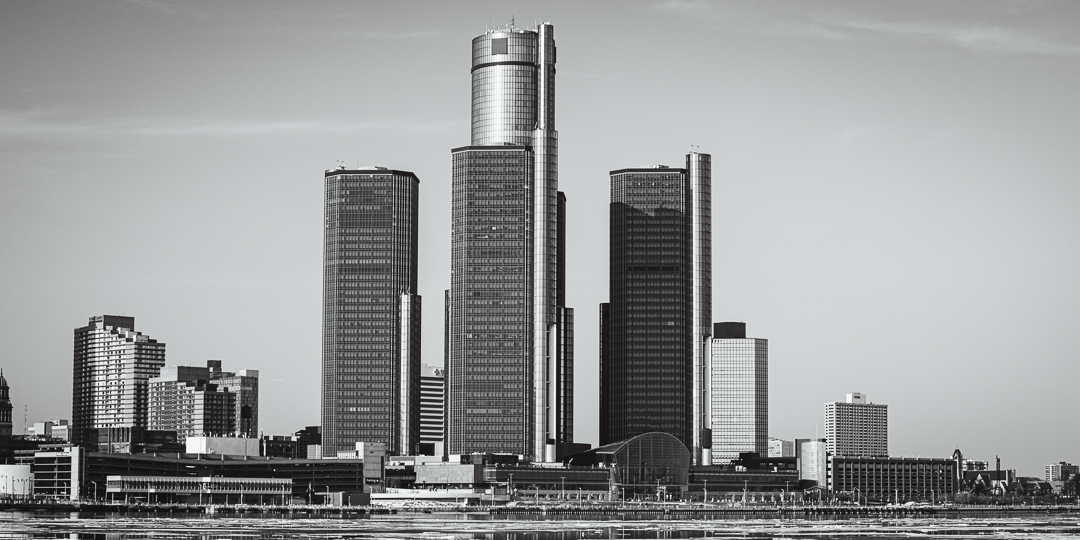
Detroit Skyline Thaw
Architecture and the natural world are often viewed as static fixtures on the landscape. In reality, the built environment exists in constant dialogue with a constantly shifting ecosystem.

This recent sentinel study captures the relationship between the Detroit skyline and the Detroit River’s late winter thaw. By utilizing manual exposure control and a monochrome, lifted black treatment, this series examines:

Structural Scale: The mix of the city’s historic and modern infrastructure set against the expansive riverfront plane.
Reflection: The way drifting ice floes anchor the skyline’s reflections, turning dynamic water into a structural element.
Archival Preservation: Documenting regional landmarks with tonal depth and textural integrity.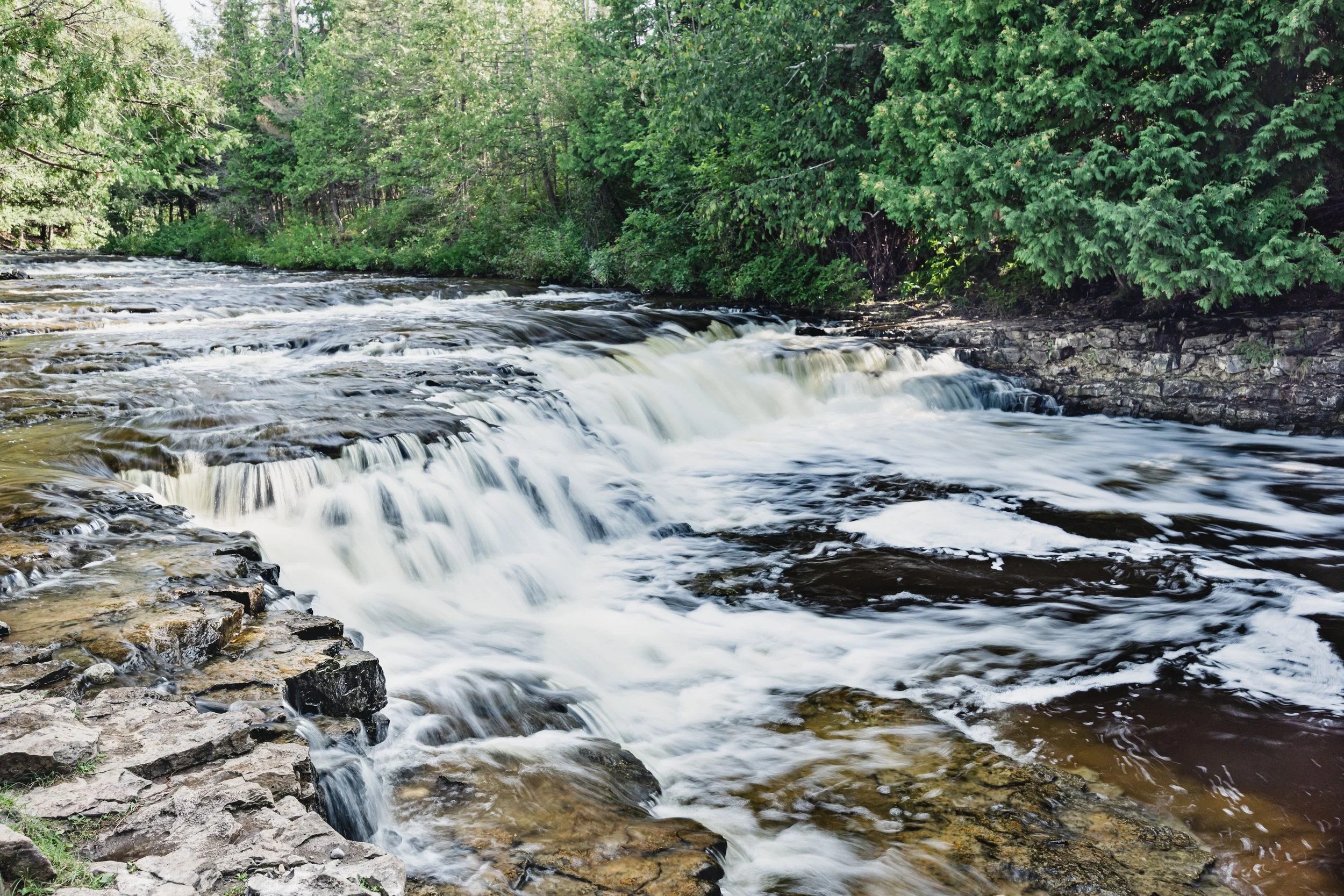
The Stepped Cascade
Title: Ocqueoc Falls: The Stepped CascadeLocation: Presque Isle County, Michigan (45.4128° N, 84.0747° W)Equipment: Canon EOS R5 | RF 14–35mm f/4L IS USM Portfolio: Quiet LandscapesBetween Onaway and Rogers City, the Ocqueoc River winds through forests as it makes its way to Lake Huron. On this stretch of river lies lower Michigan's largest waterfall.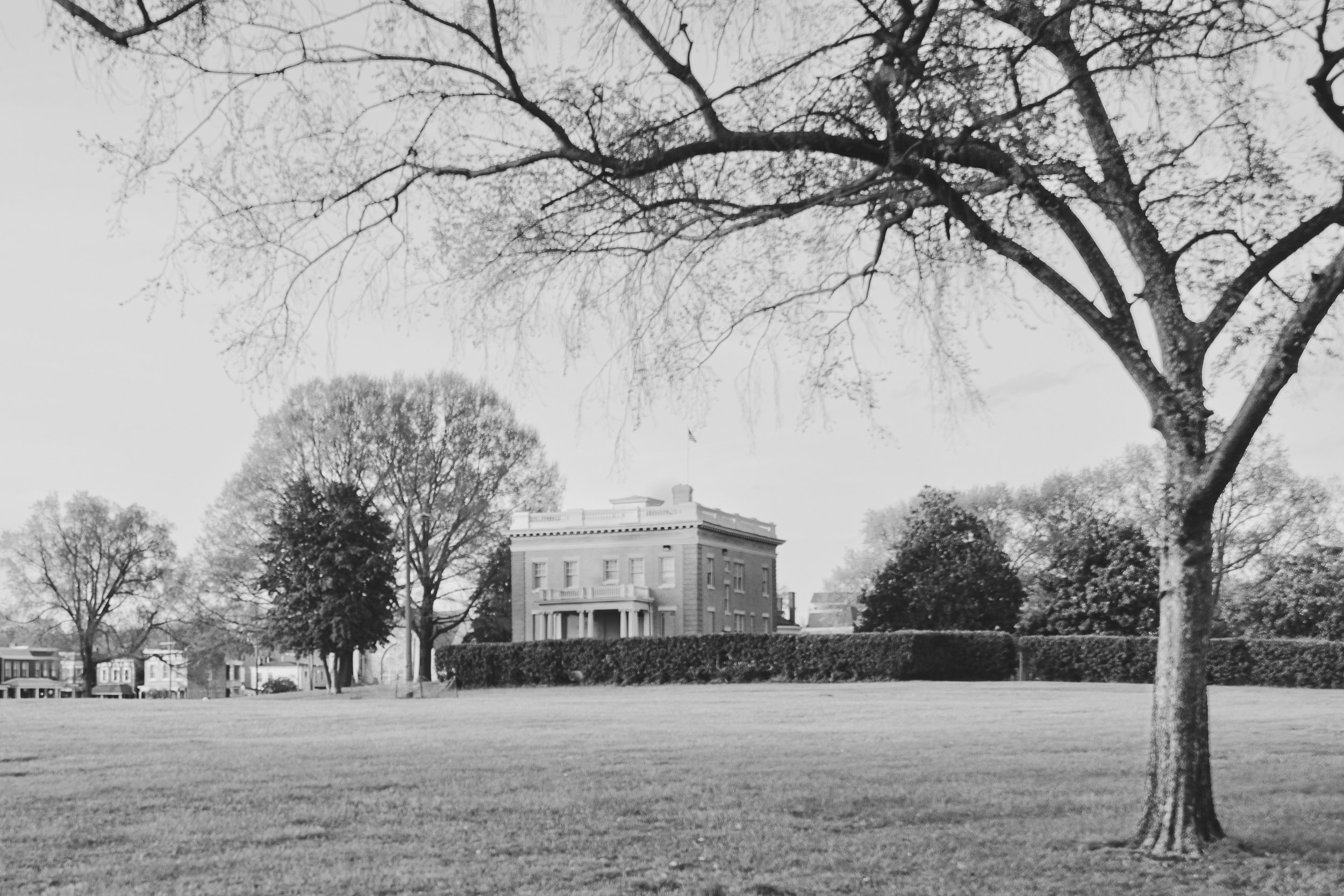
Chimborazo Hospital and Richmond National Battlefield Park
Coordinates: 37°31'55"N, 77°24'42"W
Canon EOS R5 | RF 14-35mm f/4L USM & RF 70-200mm f/4L USM
Mode: Manual
Signature: Sentinel Monolithic History

Perched high on the plateau above the James River channel, Chimborazo Park stands as a multi-layered sentinel of medical archaeology, weather observation, and civic space. Valued for its defensive high ground, the site served in the 1860s as one of the largest and most progressive military hospital complexes of the Civil War—constructed around groundbreaking medical innovations including detached pavilion wards, open-air ventilation, and self-sustaining operations that yielded one of the lowest mortality rates of the conflict.
I chose to document this site during golden hour for the soft lighting and raking shadows. I highlighted the weight of mature oak trees, ironwork, and stone against the industrial expanse of the river valley below. I was struck by the beauty of the space and understood immediately why this was a successful place of healing - stillness, clean breezes and a million-dollar view.